
E-Commerce
Every Platform Says Your Ads Are Working.
Your P&L Says Otherwise.
E-commerce acquisition costs have climbed 60% in two years. Meta reports one ROAS. Google reports another. Shopify claims the sale. None of them agree — and none of them connect to your actual customer lifetime value. You are making six-figure decisions every month on data that does not talk to itself. The brands that connect these signals stop spending more. They start spending right.
The Knowledge Problem
The Attribution Black Hole
You spend six figures a month across Meta, Google, TikTok, and Amazon. Each platform takes credit for the same sale. Blended CAC looks healthy on the dashboard. But when you reconcile against actual revenue, the math breaks. Which campaigns acquire customers who come back three times? Which ones attract one-and-done buyers who cost you $29 in net loss and never return? That answer exists in your data. It is scattered across platforms that were never designed to share it.
The CAC-LTV Blind Spot
Your CAC is a number. Your LTV is a number. But you do not know them together — by channel, by cohort, by product line, by season. You cannot tell the difference between a campaign that builds your business and one that slowly bleeds it. When ad costs rise 20% next quarter — and they will — the brands that survive are the ones who already know exactly where every dollar compounds and where it evaporates.
The Operational Amnesia
Supplier negotiations, seasonal playbooks, merchandising learnings, creative performance by audience segment, inventory decisions and their outcomes — this intelligence lives in spreadsheets, Slack threads, and the heads of your best operators. Every Q4, the same lessons get relearned. Every new hire starts from scratch. When your best person leaves, their pattern recognition walks out with them.
What We Build
Unified Acquisition Intelligence
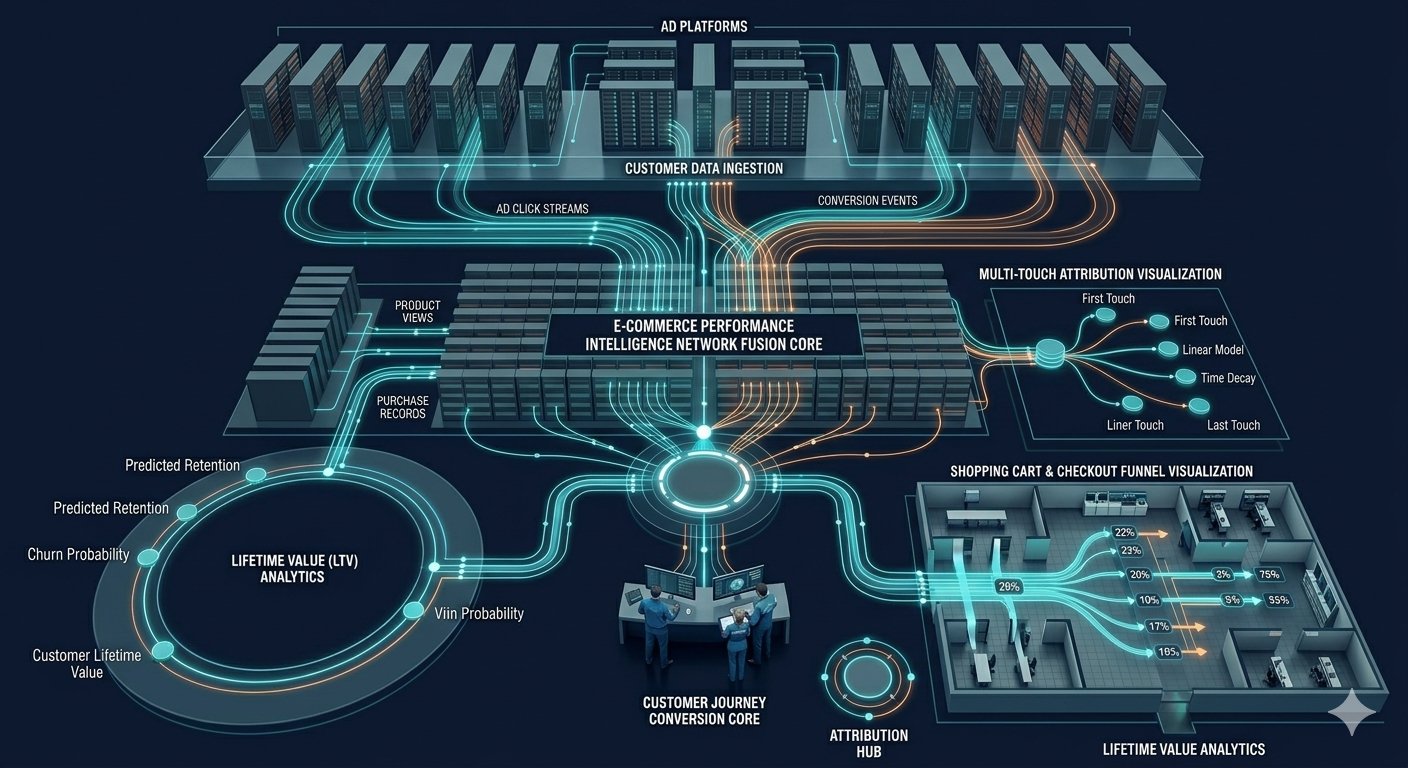
Ad spend, channel performance, CAC by cohort, creative performance history, and customer value data — connected in one queryable system. Not another dashboard. A knowledge graph that connects your Meta spend to your Shopify revenue to your Klaviyo retention to your actual margin per customer. Ask which campaigns acquire your most profitable customers and get an answer grounded in your full data, not one platform’s version of it.
Customer Lifetime Knowledge
Purchase patterns, browsing behavior, support interactions, return reasons, retention signals — connected across each customer’s full lifecycle. Your team stops guessing which segments are worth acquiring and starts knowing. Your AI agents stop recommending from generic purchase correlation and start recommending from what actually drives repeat value in your specific business.
Operational Knowledge System
Product performance, supplier history, seasonal patterns, merchandising decisions and their outcomes — captured, structured, and queryable. Your Q4 playbook builds on last Q4’s actual results, not someone’s memory of them. New team members get the accumulated intelligence of every operator who came before them.
AI That Knows Your Business
When your AI runs campaigns, answers customer questions, or supports merchandising — it works from your verified intelligence. Your customer segments. Your margin data. Your creative performance history. Not generic patterns trained on the internet. The difference between a tool that guesses and a system that knows.
Your Customer Data Stays in Your Infrastructure.
Customer intelligence, acquisition data, pricing signals, and margin analytics are processed and stored on your cloud infrastructure. Your AWS, Azure, or Google Cloud account. Your control. Your competitive intelligence never leaves your network to train someone else’s model. Book a discovery call to see how Argus turns your e-commerce data into an advantage that compounds every month.